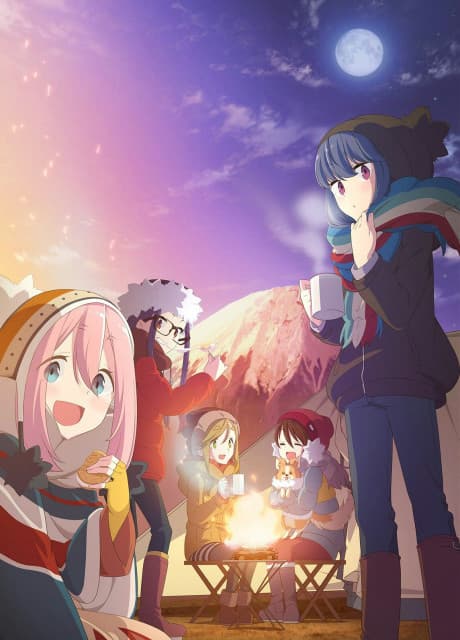
Laid-Back Camp Pilgrimage Guide: Lake Motosu, Minobu & Fumotoppara Campground
Contents
Start with the map and spot list
Before choosing an area, check where the spots are on the map. You can turn it into a plan after that.
Laid-Back Camp Pilgrimage Guide: Following Rin and Nadeshiko's Camping Adventures
Laid-Back Camp (ゆるキャン△) captures the serene joy of outdoor camping through the adventures of high school girls exploring the scenic landscapes of Yamanashi and Shizuoka prefectures. The 2018 slice-of-life series showcases breathtaking real-world campgrounds and lakeside views around Mt. Fuji, making it a perfect anime for pilgrimage tourism. The series' authentic depiction of camping culture and stunning natural locations has inspired countless fans to experience these peaceful settings firsthand.
Lake Motosu (本栖湖)
One of the Fuji Five Lakes, Lake Motosu offers an iconic view of Mt. Fuji that also appears on the Japanese 1,000-yen banknote. This is where Rin sets up camp in the very first episode. In the memorable opening scene, Rin Shima arrives at the lakeside campground and gazes at Mt. Fuji across the calm water in Episode 1. Nadeshiko later joins her here by accident, beginning their friendship.
The lake provides that perfect postcard view of Mt. Fuji reflected in still waters, exactly as depicted in the anime's opening moments.
Access: JR Minobu Line to Minobu Station, then bus to Lake Motosu (about 50 min)
Tips:
- Visit early morning for the clearest Fuji views
- Expect moderate crowds, busier on weekends
- Winter offers the clearest Fuji views; autumn foliage in November is spectacular
- No photography restrictions
- Plan for about 2 hours to fully enjoy the scenery
Kuonji Temple, Minobu (身延山久遠寺)
The head temple of Nichiren Buddhism, known for its massive stone stairway of 287 steps and weeping cherry trees. The town of Minobu serves as the daily-life setting for the main characters. The streets and shops around Minobu appear throughout the series as the girls go about their school life. The temple's grand stairway and surrounding area feature in several episodes.
This historic temple complex provides insight into the everyday environment where the characters live, offering both spiritual atmosphere and anime location recognition.
Access: JR Minobu Line to Minobu Station, then bus (15 min) to Kuonji Temple
Tips:
- Spring is ideal for cherry blossoms (late March - early April)
- Moderate crowd levels year-round
- Photography allowed in most areas
- Weeping cherry trees bloom in late March; ropeway available to skip the stairs
- Allow about 90 minutes for temple exploration
Fumotoppara Campground (ふもとっぱらキャンプ場)
A vast open-field campground at the foot of Mt. Fuji, offering unobstructed panoramic views of the mountain. It is one of the most recognizable camping locations featured in the series. The girls enjoy a group camping trip at this sprawling campground with Mt. Fuji towering in the background. The wide open field and stunning sunrise over Fuji are faithfully depicted in the anime.
This expansive camping ground delivers the quintessential Laid-Back Camp experience with its incredible Mt. Fuji backdrop stretching across endless grasslands.
Access: JR Tokaido Line to Fujinomiya Station, then taxi (about 30 min)
Tips:
- Autumn and winter provide the clearest Fuji views
- Very popular location - book well in advance
- No photography restrictions
- Reservations required; winter camping is cold but rewards with crisp Fuji views at dawn
- Plan for at least 3 hours to experience the full campground atmosphere
Suggested Route
Start your pilgrimage at Lake Motosu for that iconic first-episode experience, then visit nearby Minobu town and Kuonji Temple to explore the characters' daily environment. Finally, head to Fumotoppara Campground for the ultimate group camping location. This route follows the natural geography and provides a complete Laid-Back Camp experience from intimate lakeside moments to vast camping adventures.
Experience the peaceful world of Laid-Back Camp by visiting these authentic locations that inspired the series. Create your own camping adventure itinerary using our trip planning tools at OtakuTrips.com!
This article is generated from OtakuTrips' verified location database. Spot data is sourced from public information and community contributions.