Attack on Titan Pilgrimage Guide: Exploring Hajime Isayama's Oita Hometown
Contents
Start with the map and spot list
Before choosing an area, check where the spots are on the map. You can turn it into a plan after that.
Attack on Titan Pilgrimage Guide: Exploring Hajime Isayama's Oita Hometown
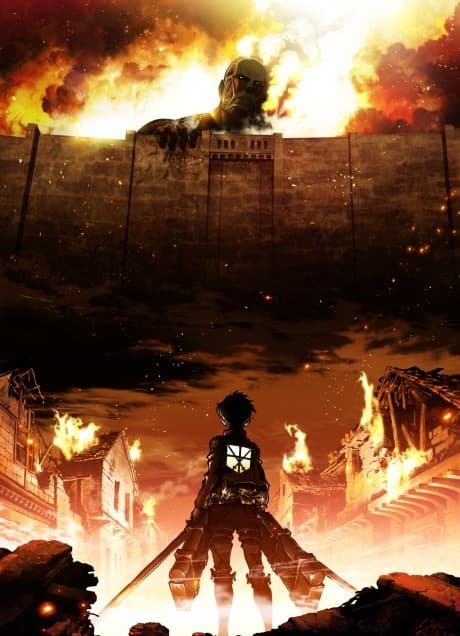
Attack on Titan, the dark fantasy series that captivated anime fans worldwide, has deep roots in Oita Prefecture. Creator Hajime Isayama grew up in Hita city, and the landscapes of his childhood became the inspiration for humanity's struggle within the Walls. From imposing castle fortifications to narrow merchant streets, Oita offers fans a chance to walk through the real-world locations that shaped one of anime's most compelling stories.
Hita Station Attack on Titan Statue
Your pilgrimage begins at JR Hita Station, where bronze statues of Eren, Mikasa, and Levi stand guard in their Survey Corps uniforms. These life-size monuments honor creator Isayama Hajime and serve as the perfect gateway to your Attack on Titan journey.
Access: JR Kyudai Line to Hita Station, statues are directly in front of the station
Tips: Morning provides the best lighting for statue photography. The statues create particularly dramatic photos against autumn foliage and clear winter skies.
Attack on Titan in HITA Museum
The dedicated museum in Hita's historic Mameda district immerses you in the world of Attack on Titan with original artwork, production materials, and life-size Titan models. Located within the atmospheric Edo-period merchant quarter where Isayama spent his formative years, the museum connects his childhood environment to his creative vision.
Access: JR Hita Station, 15-minute walk west to Mameda historical district
Tips: Visit on weekday mornings for a quieter viewing experience. Check current photography policies, as some exhibition areas may have restrictions.
Hita Mameda Town
Wander through the narrow streets of this preserved Edo-era merchant district, where creator Hajime Isayama grew up. The claustrophobic atmosphere of these traditional buildings and alleyways directly inspired the feeling of life within the Walls in the early chapters of Attack on Titan.
Access: JR Kyudai Line, Hita Station (15 min walk)
Tips: Explore during weekday mornings for the quietest atmosphere. The area becomes especially picturesque during the Hina Matsuri doll festival in February-March.
Nakatsu Castle
The imposing stone walls of this strategically positioned castle are widely believed to have influenced the design of Wall Maria, Wall Rose, and Wall Sina. Sitting on the Yamakuni River, Nakatsu Castle exemplifies the fortress mentality that defines humanity's struggle in Attack on Titan.
Access: JR Nippo Line, Nakatsu Station (15 min walk)
Tips: Morning visits offer the best lighting on the castle walls. Spring cherry blossoms create stunning backdrop photos of the fortifications.
Oyama Dam (Levi, Eren, Mikasa Statues)
Life-size bronze statues of Levi, young Eren, and young Mikasa overlook the massive Oyama Dam, whose towering concrete wall powerfully evokes Wall Maria. The mountain setting adds to the immersion, making you feel like you're standing before humanity's last line of defense.
Access: JR Hita Station, then taxi or rental car (30 min). No direct public bus service.
Tips: Morning provides front-lit statue photos with the best dam wall visibility. Clear days offer optimal views, and autumn colors in the surrounding mountains enhance the experience.
Oyama Dam Observation Deck
The observation deck near Oyama Dam offers panoramic views of the dam wall that fans compare to Wall Maria. Standing here with mountain wind blowing recreates the feeling of gazing up at the Walls that protected humanity from the Titans.
Access: JR Hita Station, then taxi or rental car (30 min). Located near the Oyama Dam statues.
Tips: Morning visits provide the best lighting on the dam wall. Autumn morning mist adds dramatic atmosphere, but avoid rainy days when views are obscured.
Beppu Onsen
While not directly featured in Attack on Titan, Beppu's dramatic steaming landscape and famous "hells" (jigoku) evoke the intense atmosphere of the anime. As one of Japan's most famous hot spring cities near Isayama's hometown, it's a natural addition to any Oita pilgrimage.
Access: JR Nippo Line, Beppu Station
Tips: Morning visits showcase the most dramatic steam effects. Winter provides the best contrast for the steaming landscape, though crowds are moderate on weekends.
Hita Onsen
End your pilgrimage with relaxation at this riverside hot spring district along the Mikuma River. While not directly featured in the anime, the traditional ryokan atmosphere provides the perfect conclusion to your journey through Isayama's hometown.
Access: JR Hita Station, 5-minute walk south to the onsen district along Mikuma River
Tips: Evening soaks after a day of sightseeing are ideal. Summer cormorant fishing on the Mikuma River offers a unique cultural experience, while winter onsen visits are especially enjoyable.
Planning Your Route
Start at Hita Station with the bronze statues, then explore nearby Mameda Town and the museum. Dedicate a full day to the Oyama Dam area (statues and observation deck) as transportation requires a car. Nakatsu Castle can be visited as a day trip via train. Combine Beppu with your arrival or departure from the region.
Experience the landscapes that inspired one of anime's greatest stories, and create your detailed itinerary using our trip planning tools to make the most of your Attack on Titan pilgrimage.
This article is generated from OtakuTrips' verified location database. Spot data is sourced from public information and community contributions.