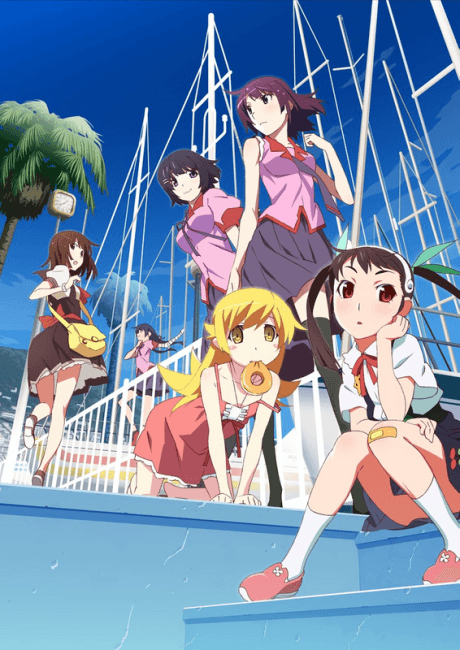
Monogatari Series Second Season
〈物語〉シリーズ セカンドシーズン
Second season of the Monogatari Series, part 1/2. Contains the arcs Tsubasa Tiger, Mayoi Jiangshi, Nadeko Medusa, Shinobu Time, and Hitagi End, from the Nekomonogatari White, Kabukimonogatari, Otorimonogatari, Onimonogatari and Koimonogatari light novels, respectively. These stories take place after the end of the summer vacation when the apparition of the bee had left and the apparition of the phoenix avoided any consequences… Now that Koyomi Araragi and the girls were entering their new school
この作品で巡礼プランを作る聖地スポット (5)
Photo by Basile Morin (CC BY-SA 4.0) via Wikimedia Commons
Yoyogi Park
代々木公園
A large urban park in Shibuya that serves as a peaceful retreat location for characters seeking quiet moments away from their hectic schedules. The park's spacious grounds and seasonal beauty provide a natural contrast to the urban settings throughout the series.
Photo by Pema G. Lama on Unsplash
Shinjuku Station South Exit
新宿駅南口
One of Tokyo's busiest transportation hubs, featuring the iconic southern entrance with its modern architecture and constant flow of people. The station area represents urban isolation themes and serves as a backdrop for character transitions in the series.
Photo by Candida.Performa (CC BY 2.0) via Wikimedia Commons
Odaiba Seaside Park
お台場海浜公園
A popular Tokyo Bay beach park that appears in several romantic scenes throughout the series. The iconic Rainbow Bridge view and artificial beach setting create memorable moments for character development and relationship progression.
Photo by 掬茶 (CC BY-SA 4.0) via Wikimedia Commons
Tokyo Station Marunouchi Exit
東京駅丸の内口
The grand red brick facade of Tokyo Station appears in several establishing shots representing the intersection of traditional and modern Japan. The station's impressive architecture mirrors the blend of old and new themes in the series.
Photo by Nopparuj Lamaikul on Unsplash
Oshino Hakkai
忍野八海
A set of eight sacred ponds fed by snowmelt from Mount Fuji, featuring crystal clear spring water. This location serves as inspiration for several scenic backgrounds in the Monogatari series, particularly in episodes featuring supernatural encounters.