この作品の実在ロケーション
『鬼滅の刃』の聖地・舞台として、東京都・福岡県・奈良県ほか4都道府県にある実在スポットを13件掲載しています。主なスポットは雲取山(第1話)、浅草、大岳鍾乳洞です。各スポットの所在地、地図、アクセス情報を確認できます。作品の舞台やモデル地について、掲載データ以上の推測は行っていません。
このページに掲載している13件の公開スポットは、各詳細ページで所在地やアクセス情報を確認できます。東京都・福岡県・奈良県ほか4都道府県に分かれているため、エリアごとにまとめて巡るのが効率的です。訪問時は現地のルールと私有地に配慮してください。
広告
まずは作品にゆかりのある場所をチェック。気になるスポットから旅のイメージを広げられます。

Photo by Raita Futo from Tokyo, Japan (CC BY 2.0) via Wikimedia Commons
The mountainous setting from Episode 1 where Tanjiro returns home to find his family slaughtered by Muzan Kibutsuji. The snow-covered mountain paths in the opening scenes of the series are inspired by this region.

Photo by tnkn29 on Unsplash
Tanjiro visits Asakusa in Episode 7-8 (Volume 2), where he encounters Muzan Kibutsuji for the first time among the crowds of the Taisho-era district. This marks a major turning point in the story.

Photo by Hongbin on Unsplash
The eerie cave settings where Tanjiro faces demons during his training are inspired by real caves in the Okutama area.

Photo by Natalie Kock on Unsplash
While not directly depicted in the anime, this Fukuoka shrine shares the family name of protagonist Tanjiro Kamado. Fans visit to pray for the characters, and the shrine has embraced its connection to the series with themed ema prayer tablets.

Photo by PJH on Unsplash
The Kaminarimon and surrounding streets evoke the Taisho-era Tokyo shown in the anime. The bustling Nakamise-dori shopping street mirrors the atmosphere Tanjiro experienced.

Photo by Miya.m (CC BY-SA 3.0) via Wikimedia Commons
The main worship hall of Kamado Shrine higher up Mt. Homan. The mountain setting amid dense forest matches the wilderness atmosphere of the Kamado family home in Demon Slayer.

Photo by TRJN (CC BY-SA 4.0) via Wikimedia Commons
The cherry blossom-covered mountain inspired scenes in the Mugen Train arc. The mystical atmosphere of the deep mountain forest connects to Demon Slayer's supernatural themes and the world of demons lurking in nature.

Photo by Dmitry Romanoff on Unsplash
The park's giant wisteria trees inspired the wisteria (fuji no hana) that protects against demons in Demon Slayer. The purple cascading flowers directly match the anime's depiction of protective wisteria barriers.
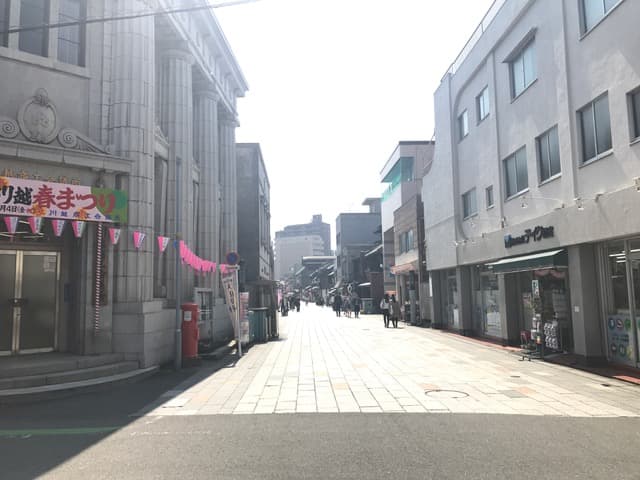
Photo by TIC KAWAGOE (CC BY-SA 4.0) via Wikimedia Commons
The Taisho-era architecture lining this street matches the time period of Demon Slayer. Fans enjoy cosplay photography against the authentic period backdrop. The nearby Kurazukuri street adds to the old-town atmosphere.

Photo by HANVIN CHEONG on Unsplash
The mountain shrine's wolf guardian spirits and role as a place of supernatural protection connect to the Kasugai Crow messengers in Demon Slayer. The remote, mist-shrouded mountain setting matches the series' atmosphere.

Photo by (清)胡聘之撰 (Public domain) via Wikimedia Commons
鬼の本拠地・無限城のモデルといわれている旅館。エントランスからフロントロビーの空間が無限城そっくり。三味線演奏が定期的にあり、琵琶を弾く鳴女を連想させる。
主人公・炭治郎の名前の由来となった可能性が高いとされる神社。人喰いの鬼の逸話が残されており、鬼滅の世界観とシンクロする部分が多い。大分県別府市に位置する。

Photo: 663highland via Wikimedia Commons (CC BY 2.5) — https://commons.wikimedia.org/wiki/File:Ama-no-Iwatate_Shrine-05_photo.jpg
『一刀石』と呼ばれる石があり、炭治郎が最終選別前に真っ二つに切った石に似ていることから聖地とされている。炭治郎が錆兎と真菰に指導を受けるシーンの舞台。
次のステップ
自分で素早く作るか、人に相談しながら決めるかを選べます。
Travel map
気になるスポットの位置関係を見ながら、巡りたい順番をゆっくり考えられます。
After the trip
旅の前後に作品を見返したり、関連アイテムを探したりできる導線をまとめています。