Jujutsu Kaisen

呪術廻戦

actionsupernaturalschool(2020)

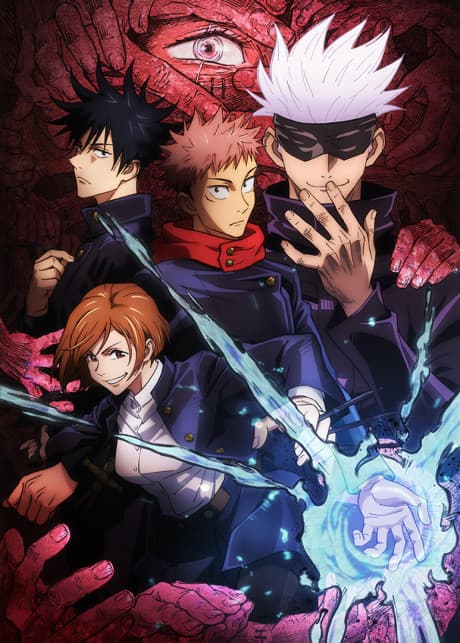
A boy swallows a cursed talisman and enrolls in a school for Jujutsu Sorcerers. Many iconic scenes take place at real locations across Tokyo, Sendai, and Kyoto.

この作品で巡礼プランを作る

聖地スポット (15)

Photo by Falco Negenman on Unsplash

Shinjuku Station East Exit

新宿駅東口

The bustling east exit of Shinjuku Station serves as a key location in Mekakucity Actors, representing the urban maze where characters navigate through crowds. This area perfectly captures the overwhelming atmosphere of Tokyo's busiest transportation hub that reflects the anime's themes of isolation in crowded spaces.

Shinjuku Station 30 min

Photo by utakaha on Unsplash

Fushimi Inari Taisha

伏見稲荷大社

The iconic thousand torii gates of this Shinto shrine appear in the anime as a mystical location where the boundary between the human world and Magano becomes thin. The vermillion gates create an otherworldly atmosphere perfect for supernatural encounters.

Inari Station 120 min

Photo by Yoshihiro on Unsplash

Shibuya Crossing

渋谷駅前スクランブル交差点

The world-famous scramble crossing, featured prominently in the Shibuya Incident arc.

Shibuya Station 45 min

Photo by Fumiaki Hayashi on Unsplash

Hibiya Park

東京都立日比谷公園

A large public park near the Imperial Palace, referenced as a location in Jujutsu Kaisen.

Hibiya Station 30 min

Photo by Gilbert Ng on Unsplash

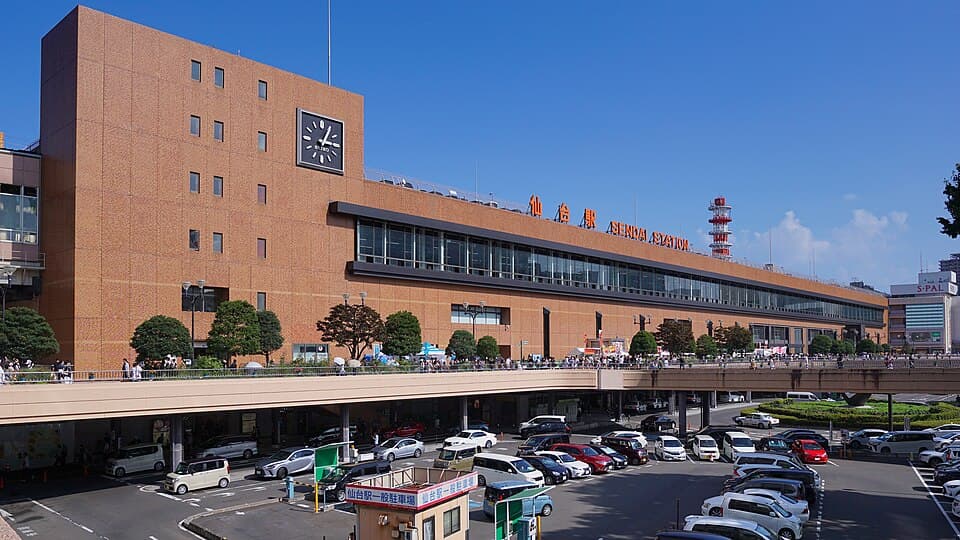
Sendai Station

仙台駅

Major station in Sendai, the hometown setting for several Jujutsu Kaisen characters.

Sendai Station 30 min

Photo by Akira Cake on Unsplash

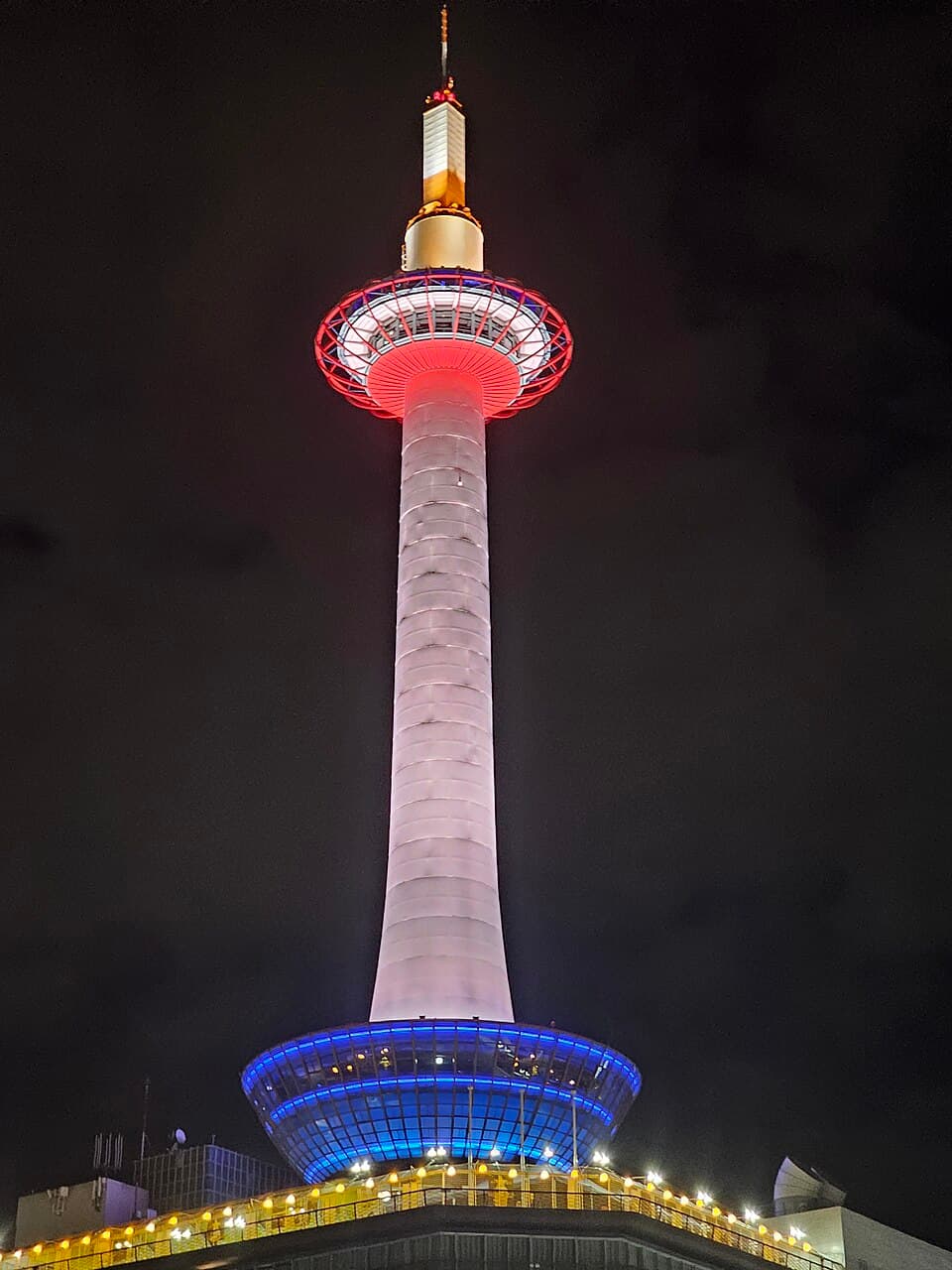
Kyoto Tower

京都タワー

The iconic tower visible from Kyoto Station, featured in scenes set in the Kyoto sister school.

Kyoto Station 60 min

Photo by Matt Cramblett on Unsplash

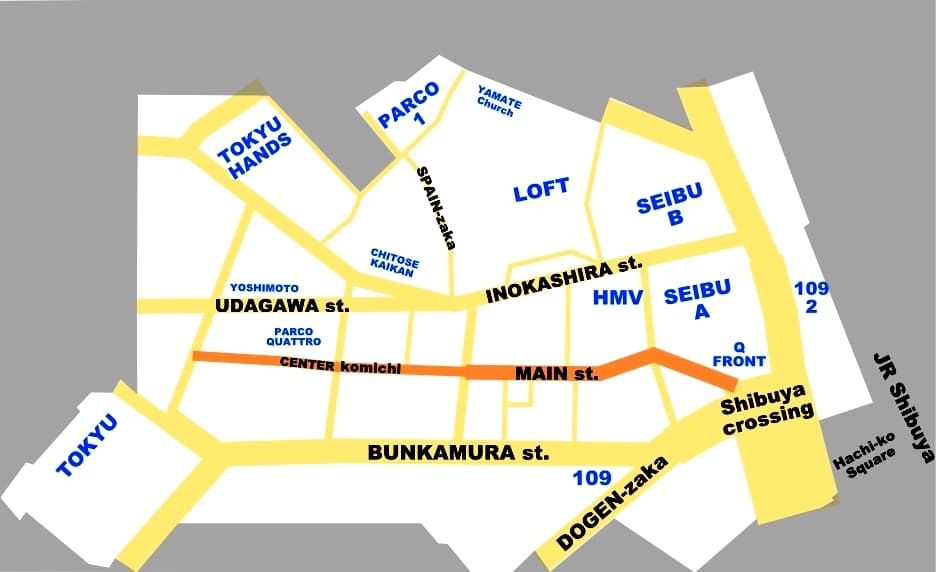
Shibuya Center-gai

渋谷センター街

Shibuya Center-gai, the famous pedestrian shopping street, appears in Call of the Night as part of the endless urban nightscape that Kou explores. The dense concentration of shops, arcades, and restaurants captures the overwhelming sensory experience of Tokyo after dark.

Shibuya Station 30 min

Photo by Perry Merrity II on Unsplash

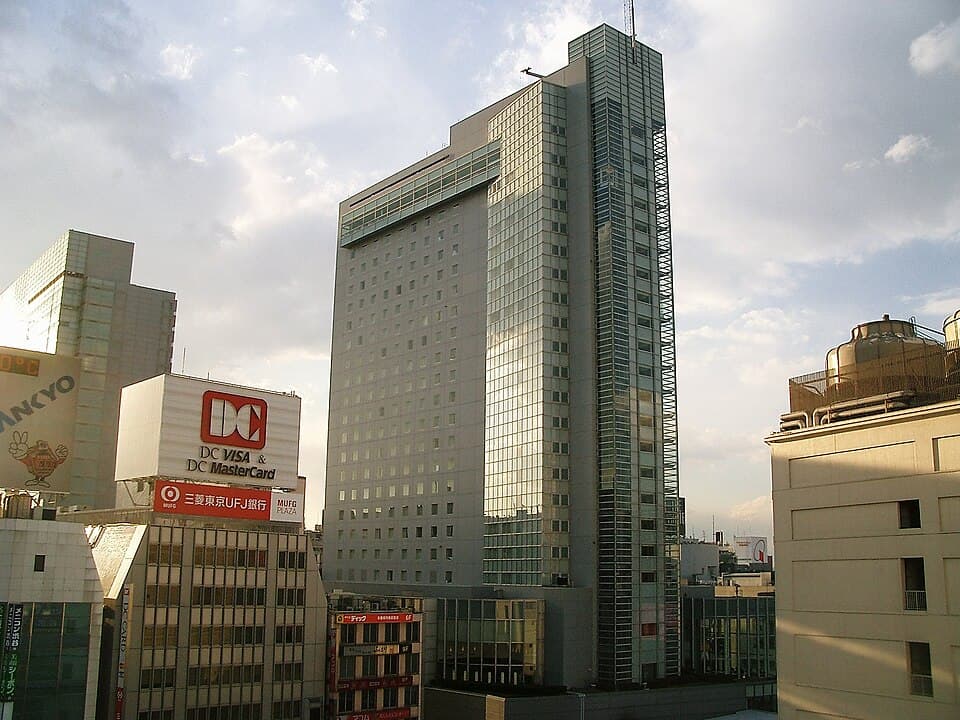
Shibuya Mark City

渋谷マークシティ

A commercial complex directly connected to Shibuya Station via an elevated walkway. The building and its corridors played a key role during the Shibuya Incident arc in the anime.

Shibuya Station 30 min

Photo by Perry Merrity II on Unsplash

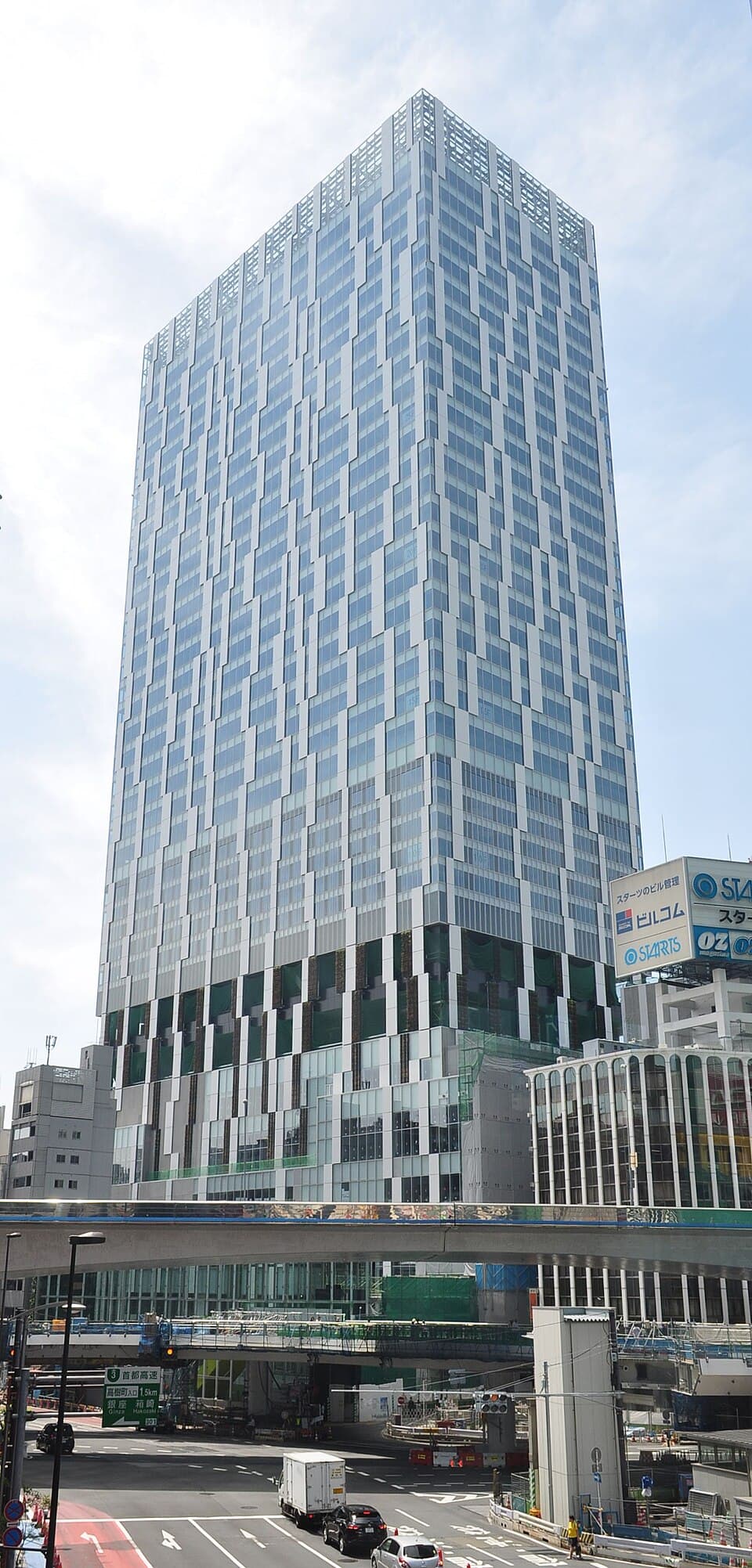
Shibuya Stream

渋谷ストリーム

A modern mixed-use skyscraper on the east side of Shibuya Station. Its sleek glass facade is visible in aerial shots during the cursed spirit barrier sequence of the Shibuya Incident.

Shibuya Station 20 min

Photo by Perry Merrity II on Unsplash

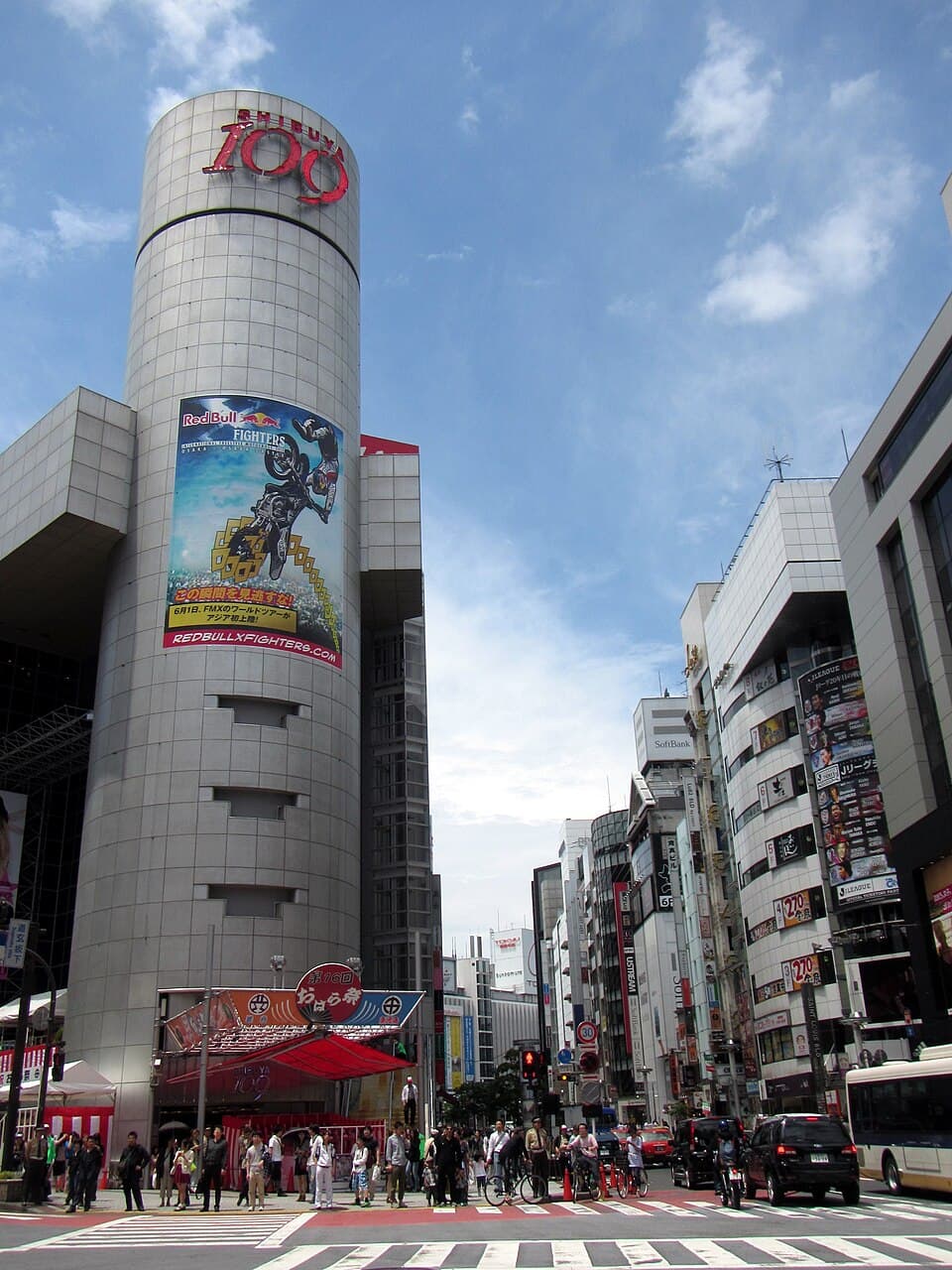
Shibuya 109

渋谷109

The iconic cylindrical fashion building at Shibuya's Dogenzaka intersection. One of the most recognizable landmarks that appears repeatedly during the Shibuya Incident battle sequences.

Shibuya Station 30 min

Photo by Adalee Penguin on Unsplash

Hanamikoji Street, Gion

花見小路通

A traditional stone-paved street in Kyoto's Gion district lined with teahouses and machiya townhouses. The street's atmospheric setting connects to Kyoto Goodwill Event scenes and JJK 0's Night Parade references.

Gion-Shijo Station 45 min

Kichijoji Plaza Area

吉祥寺プラザ付近

The shopping area around Kichijoji Station in western Tokyo. It is believed to be the model for the movie theater scenes shown in JJK volume 0 and the Jujutsu Kaisen 0 film.

Kichijoji Station 45 min

Photo by Gojyuplus One on Unsplash

Sendai Umino-Mori Aquarium

仙台うみの杜水族館

A popular aquarium in Sendai known for its large tanks and dolphin shows. It appears in the Hidden Inventory arc flashbacks depicting young Gojo and Geto's time in the Sendai area.

Nakano-Sakaue Station (Sendai Subway) then bus 120 min

Photo by Alex on Unsplash

Gojo Bridge, Kyoto

五条大橋

A historic bridge over the Kamo River in Kyoto, famous as the legendary duel site of Minamoto no Yoshitsune and Benkei. The bridge shares its name with protagonist Gojo Satoru.

Kiyomizu-Gojo Station 20 min

Photo by Clark Gu on Unsplash

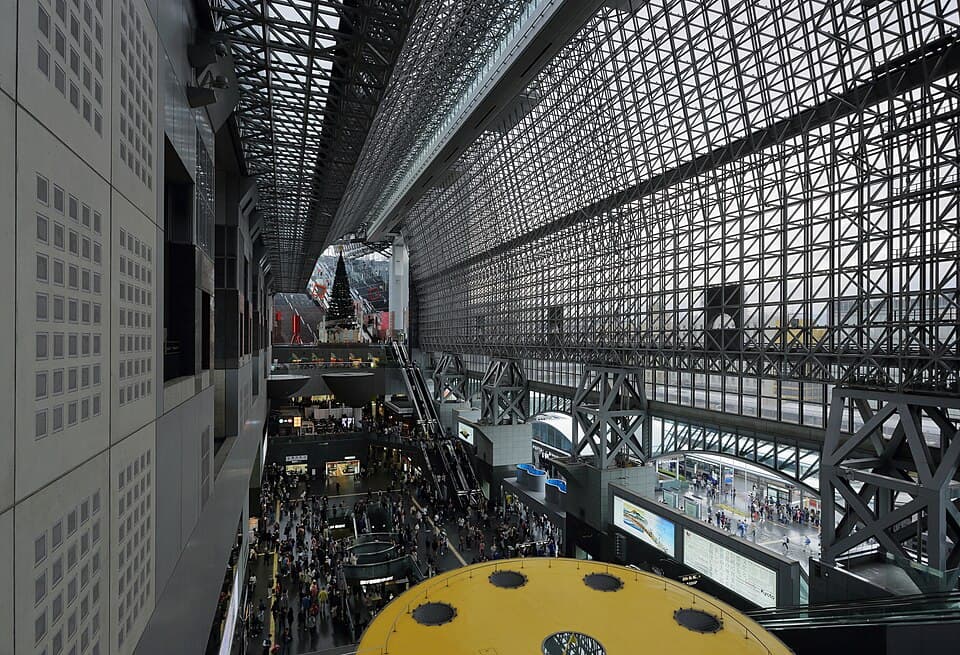
JR Kyoto Station

JR京都駅

Kyoto's main railway station featuring dramatic modern architecture by Hiroshi Hara. The station's grand atrium and staircase appear in Season 2 travel scenes and serve as the gateway to Kyoto-related arcs.

Kyoto Station 30 min