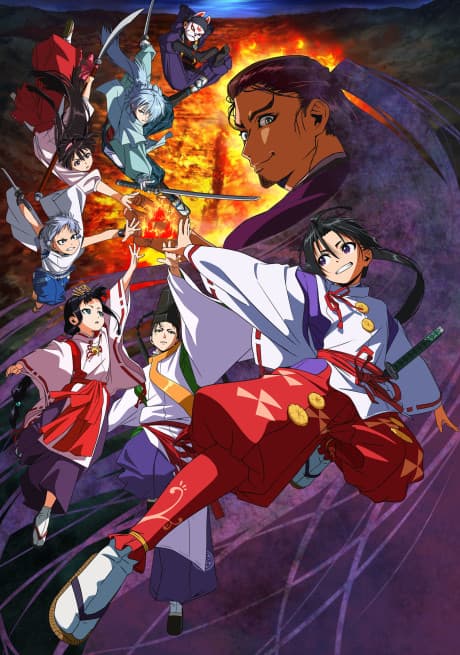
The Elusive Samurai
逃げ上手の若君
In the year 1333, the Kamakura shogunate government comes crumbling down. A trusted vassal, Ashikaga Takauji, betrays the shogunate and organizes a rebellion. Houjou Tokiyuki, the rightful heir, escapes the massacre with a Shinto priest named Suwa Yorishige to Kamakura. On the run and fighting to stay alive, Tokiyuki sets in motion his plan to reclaim his birthright. (Source: Crunchyroll)
この作品で巡礼プランを作る聖地スポット (5)
Photo by note thanun on Unsplash
Suwa Taisha Kamisha Honmiya
諏訪大社上社本宮
This ancient Shinto shrine serves as a crucial location in The Elusive Samurai, representing the spiritual center of the Suwa region where Tokiyuki seeks refuge. The shrine's historical significance as the seat of the Suwa clan's power makes it a pivotal setting for the story's development.
Photo by 江戸村のとくぞう (CC BY-SA 4.0) via Wikimedia Commons
Takato Castle Ruins Park
高遠城址公園
The ruins of Takato Castle appear as a strategic location in the anime, representing one of the mountain fortresses used during the period of conflict. The elevated position and historical significance make it an important backdrop for tactical discussions and planning scenes.
Photo by Rogério Toledo on Unsplash
Matsumoto Castle
松本城
This iconic black castle serves as inspiration for several fortress scenes in the anime, representing the architectural style and defensive capabilities of the period. Its distinctive appearance and historical authenticity make it a perfect reference point for the story's medieval setting.
Photo by Sl-Ziga (CC BY-SA 3.0) via Wikimedia Commons
Zenkoji Temple
善光寺
This ancient Buddhist temple appears as a significant religious site in the anime, representing the spiritual landscape of medieval Japan. The temple's long history and cultural importance provide context for the religious and political complexities of the era depicted in the story.
Photo by Ronin on Unsplash
Ueda Castle Ruins Park
上田城跡公園
The ruins of Ueda Castle serve as a model for several battle scenes in the anime, showcasing the strategic importance of mountain castles during the medieval period. The site's historical connection to famous samurai battles makes it particularly relevant to the story's themes of warfare and strategy.