Penguindrum

輪るピングドラム

Une fois une décision prise, l'univers conspire-t-il à la réaliser ? Le destin est-il affaire de hasard, de choix, ou le résultat complexe de milliers de fils entremêlés ? Tout ce que les jumeaux Kanba et Shoma savent, c'est que lorsque leur sœur Himari, atteinte d'une maladie incurable, s'effondre à l'aquarium, sa mort est temporairement annulée par le bonnet pingouin qu'elle avait réclamé. Mais cette résurrection provisoire a un prix : pour la maintenir en vie, ils doivent retrouver le mystérieux « Penguindrum ».

Read more

Une fois une décision prise, l'univers conspire-t-il à la réaliser ? Le destin est-il affaire de hasard, de choix, ou le résultat complexe de milliers de fils entremêlés ? Tout ce que les jumeaux Kanba et Shoma savent, c'est que lorsque leur sœur Himari, atteinte d'une maladie incurable, s'effondre à l'aquarium, sa mort est temporairement annulée par le bonnet pingouin qu'elle avait réclamé. Mais cette résurrection provisoire a un prix : pour la maintenir en vie, ils doivent retrouver le mystérieux « Penguindrum ».

À retenir

Où se trouvent les lieux liés à cette œuvre ?

Penguindrum has 6 public pilgrimage spots around 東京都.

Secteur principal
東京都
Lieux publics
6

Pilgrimage guide on this page

Build your own route

Pick the spots you like and make a route for your trip.

Créer un plan avec cet anime

Publicité

Lieux de pèlerinage (6)

Start by browsing the real-world spots connected to this anime, then open the map when you are ready to plan the route.

6 spots

Photo by MaedaAkihiko (CC BY-SA 4.0) via Wikimedia Commons

Gare d'Ōgikubo

荻窪駅

This JR station serves as a key location in the anime where Tada and Teresa frequently pass through during their daily activities. The station's distinctive architecture and surrounding shopping areas are faithfully recreated in several episodes.

Ogikubo Station

Photo by Basile Morin (CC BY-SA 4.0) via Wikimedia Commons

Gare de Shinjuku

新宿駅

Japan's busiest railway station appears in several scenes depicting urban Tokyo before and during Third Impact. The station's complex architecture and crowded platforms are recreated in the film's metropolitan sequences.

Shinjuku Station

Photo by BREAKIFY on Unsplash

Gare de Tokyo

東京駅

The iconic red brick station building appears in the opening sequence and several transition scenes. Its historic Marunouchi side facade is particularly prominent when showing the characters' daily work routine in central Tokyo.

Tokyo Station

Photo by Kure (CC BY-SA 2.5) via Wikimedia Commons

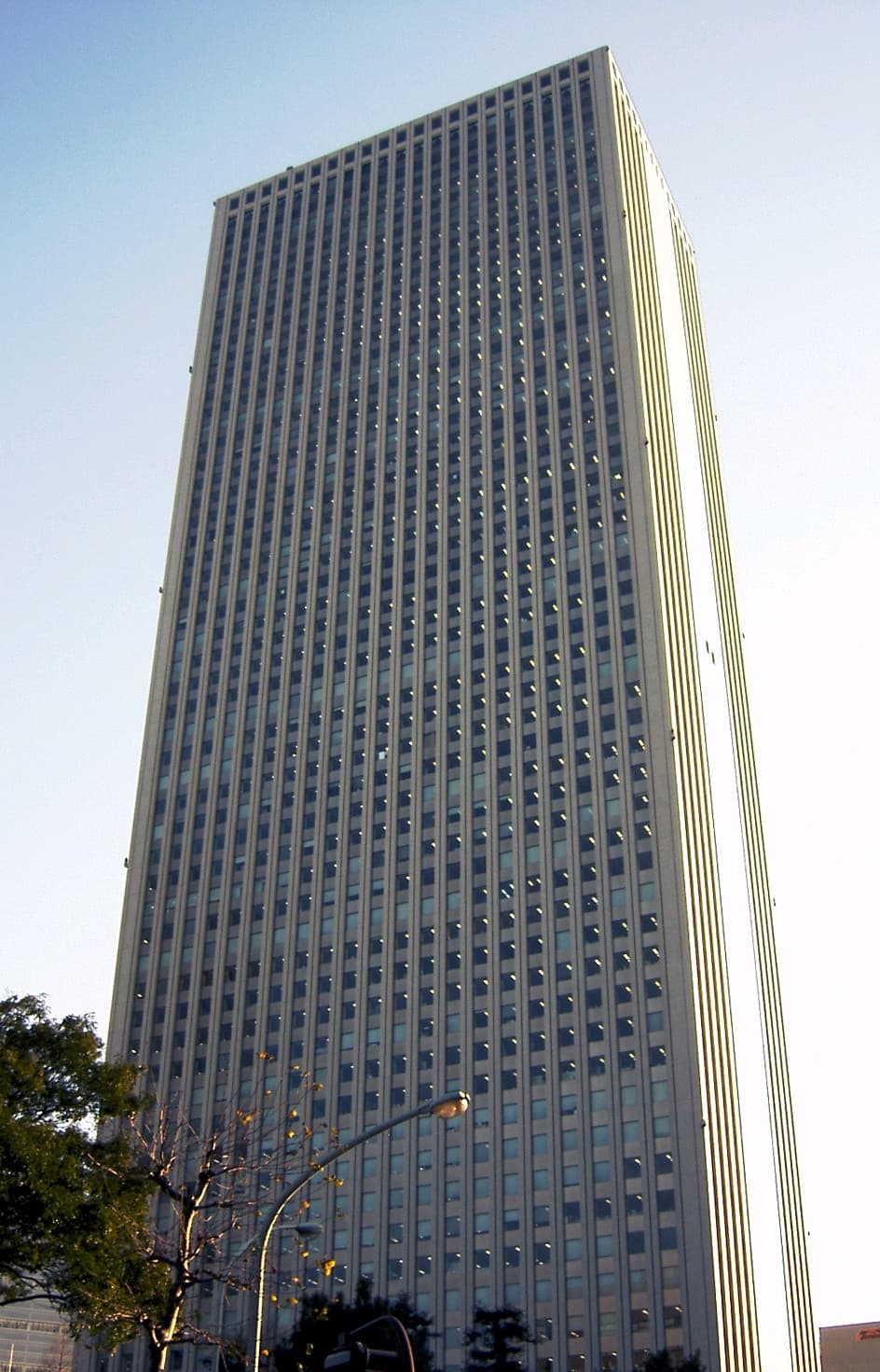
Ikebukuro Soleil 60

池袋サンシャイン60

This towering skyscraper in Ikebukuro appears in several establishing shots and serves as a landmark in scenes depicting the urban landscape. The building represents the overwhelming nature of Tokyo's metropolitan environment.

Higashi-Ikebukuro Station

Photo by pelican from Tokyo, Japan (CC BY-SA 2.0) via Wikimedia Commons

Zoo d'Ueno

上野動物園

Japan's oldest zoo has appeared in various Doraemon episodes where the characters visit to see animals or use gadgets for animal-related adventures. The zoo's traditional atmosphere and diverse animal collection make it a recognizable location that fits the family-friendly nature of the series.

Ueno Station

Photo by Kabelleger / David Gubler (CC BY-SA 4.0) via Wikimedia Commons

Ligne Marunouchi du métro de Tokyo

東京メトロ丸ノ内線

The Marunouchi Line subway system plays a significant role in the anime's narrative structure and visual storytelling. Various stations along this line appear throughout the series, representing the interconnected nature of the characters' fates and the urban maze of Tokyo.

Various Marunouchi Line stations

Travel map

Explore the real-world route on the map

See how the pilgrimage spots sit together before you start planning the day.

After the trip

Enjoy the series around your trip

A softer place for watch-again and related-item links around this title.